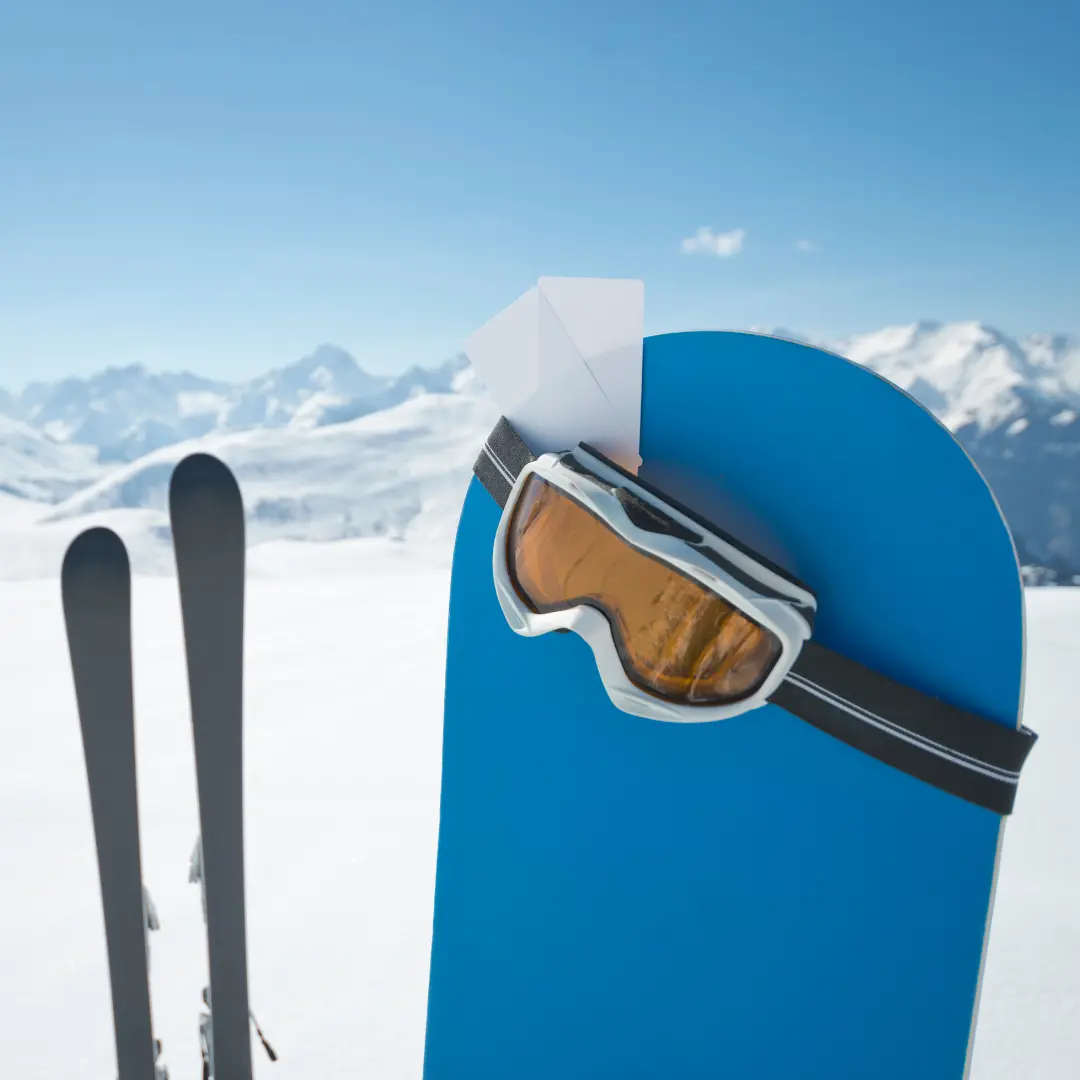
Winter sports are some of the most adrenaline-inducing activities out there, and having the right winter sports equipment can help you get involved safely. From snowboarding and skiing to ice-skating and snow-shoeing, you can even go down a mountain on a big inflatable ring. There’s something for everyone, so when is there a better time to experience new things than on holiday?
To join in, you don’t necessarily have to buy your own winter sports equipment. Many resorts and centres can provide equipment for you to hire, which is definitely cheaper than buying your own. If you’re planning to take part in winter sports on holiday, it’s also important to make sure you have the right winter sports travel insurance for your trip.
Don’t feel like you can’t branch out and experience something different. If you buy gloves, goggles and a hat, you can pretty much try any sport you want to have a go at. However, for all high-adrenaline sports, it’s a good idea not to skimp on the equipment and the high quality stuff is likely to keep you safer.
If you’re looking for somewhere to try skiing or snowboarding, there are plenty of destinations where you can hire the equipment you need rather than bringing your own. Chamonix in France is a popular choice, with ski and snowboard equipment available to hire from several local providers.
Niseko in Japan is another option, particularly if you’re interested in skiing or snowboarding. Niseko United has rental shops across its four resorts, with equipment available for different abilities, including skis, snowboards, boots, helmets and other winter gear.
Other well-known winter sports destinations include St. Anton in Austria, Whistler in Canada and the Dolomites in Italy. Before travelling, check the official website of your chosen resort for information about equipment hire, ski areas, lessons and the activities available during your stay.
Snowboarding has become one of the most popular winter sports as it’s relatively easy to pick up for beginners. To cover the basic essentials you need for snowboarding, you’ll have to invest in a snowboard, snowboard boots, bindings, trousers, a jacket, goggles and other warm winter gear such as hats and gloves.
One of the oldest winter sports, skiing is second in popularity to snowboarding and requires some level of experience before you head to the top to ski back down. When you go skiing, you’ll need a set of skis, ski boots and winter sports gear similar to the snowboarding attire – a warm, waterproof jacket and pair of trousers, goggles, a hat and some gloves.
If you just want to get out and explore the snowy terrain. Snow shoes allow you to walk across feet-deep snow without sinking. If you’re going on holiday in a snowy climate, snowshoes are ideal for exploring the outdoors. They can help you reach places that may be difficult to access without them.
For snowshoeing, you’ll need snowshoes and bindings. You’ll also need a warm, waterproof jacket, trousers, hat and gloves.
For a more sporty experience, try running snowshoes or backcountry snowshoes. These can make exploring the wintery landscape more challenging and exciting.
Ice skating is the winter sport which everyone participates in at one point or another. Moving across the ice at a fast but graceful pace becomes really enjoyable after you’ve let go of the side of the rink…or someone’s arm. Make sure when you buy ice skates, that you’ve bought the right type as they vary. Figure skates are designed for manoeuvrability, speed skates are built for exactly that and ice hockey skates have a small pick in their tip to allow players to make quick stops or changes in direction. Make sure your ice skates have been sharpened. A sharp ice skate blade grips the ice better than a dull one. Ideally, you should sharpen your blades when they begin to slip when you land. You could measure the number of hours it takes for your blades to become dull and then you’ll have an idea of how long you can skate for without any surprises.
Sledding is great winter fun for the whole family. There are many different types of sled to choose from. For a straight ride down a snowy hill, a toboggan is a good option. If you want a quick, wild and bouncy ride, try a plastic sled.
Some resorts have special sledding areas. Some hills even have lifts to take you back to the top. You can also sled in many places where there is a suitable slope.
Make sure you choose a sled or snow tube (a large inflatable ring) with enough seats for everyone. Then you’re ready to start sledding!
Staying safe on holiday is just as important as staying safe whilst at home, and following these tips can help you have the experience of a lifetime but without any unexpected dramas.
Have a health check-up
Plan ahead
Accident prevention
Crime
Holidaying whilst pregnant is a great idea, especially if this is your first child. As a growing trend among expectant mums, ‘baby-mooning’ is hugely popular so we’ve written a few tips to help you enjoy your holiday to the full.
Stress
No one wants stress whilst they’re on holiday, least of all expectant mums! Try and plan ahead as much as possible, making it much less likely for something unexpected to stress you out.
Allow plenty of time for travel, and even the small things like toilet stops and traffic jams, giving you plenty of time to reach the airport or your destination without worrying about making it.
If you find it hard to concentrate on planning everything, start by writing lists of different things you need to pack or organise instead of one big one – clothes, snacks, electronic equipment, things to keep you entertained (ipods, tablets, books, magazines etc.), health and beauty items, directions, itineraries, travel documents and that sort of thing.
Expect to be held up or delayed. If you bring a pair of headphones or a magazine to flick through, you’ll be more relaxed and the queues and impatient tutting of fellow travellers won’t bother you.
Take it easy
Whilst being pregnant doesn’t mean you are limited in what you can do, if you are thinking about adventure hiking, going on lengthy sightseeing expeditions, non-stop shopping or similar things, it’s a good idea for you to take it easy.
Avoid activities that might put you at risk of falling, or are pressurised, such as scuba-diving. Activities with sudden acceleration or forceful landings, like rollercoaster rides and theme parks should be avoided, as well as staying away from the hot tub and the sauna, as overheating isn’t good for your baby.
There’s plenty you can do whilst pregnant. Yoga classes, painting, swimming and brisk walking is all safe to do when you’re expecting, or why not see the sights of your holiday destination? Cultural trips to the museum or art gallery can be ideal, so long as you take regular breaks.
Avoid dehydration and keep taking regular sips from a water bottle to keep you from feeling sick or faint.
Give yourself several breaks a day to give your feet and body a rest, but as you’re on holiday, it gives you a chance to absorb the scenery and atmosphere around you. If you’re rested, you’ll enjoy the trip a lot more than if you were tired.
Travel vaccinations
To be on the safe side, it’s easier to stay away from countries where you need a certain vaccination. If you’re worried you’re going somewhere that does require a vaccination to cross their borders, consult your doctor, as they will know which vaccinations are required and what’s suitable for your pregnancy.
If you’re trying to get pregnant and plan on travelling abroad, it’s best to have the vaccinations four weeks before you conceive.
Make the most of being pregnant
Take loads of photos whilst you’re on holiday – it’ll be great to look back later on in life and remember the experiences you had whilst pregnant. Plus you’ll be able to show your child in the future how they came on holiday with you before they were even born!
Taking full advantage of people holding doors open for you, queue-jumping and being offered seats whilst on holiday as it can make travelling and sightseeing a lot easier. Enjoy being pregnant!
Your Insurancewith Cover
Pregnancy or medical conditions arising from pregnancy are covered provided you will not be more than 28 weeks pregnant by the time your trip is due to start (or 24 weeks for multiple births) and a medical practitioner or midwife confirms that you are fit to travel. If you are confirmed not fit to travel, or if you will be more than 28 weeks pregnant at the start of your trip, (24 weeks for multiple births), you can make a claim under “Cancelling Your Trip” provided you purchased this policy/booked a trip before you were aware you would not be able to travel.
Kids can be a nightmare to travel longer distances with. With a bit of forward planning, travelling with children shouldn’t have to be a hassle and whilst it might make more work for parents, by taking everything into consideration you can focus on the holiday ahead and family bonding as opposed to trying to separate the fight in the seat behind you.
Below we’ve provided guidelines for each form of transport you could be taking to your chosen destination:
If you’re travelling by car:
If you’re travelling by plane:
If you’re travelling by boat:
Travelling with children means bringing a lot more things on holiday with you than you normally would, which also means a lot more things to forget about. InsuranceWith have created this family travel checklist to give you a helping hand: