
A cancer diagnosis does not mean the end of adventures or doing the things you love. For many people, travel and sport remain important ways to feel connected and strong after a cancer diagnosis.
At Insurancewith, we are grateful to have customers who are willing to share their personal experiences and advice with others. One of those customers is Gemma, a keen skier who continues to enjoy the slopes following her cancer diagnosis.
Gemma has kindly shared her approach to preparing for ski trips, including how she looks after herself on the slopes. Alongside some practical winter holiday tips, her experience is a reassuring reminder that with careful planning and the right precautions, skiing can still be part of life’s memorable moments after a cancer diagnosis.
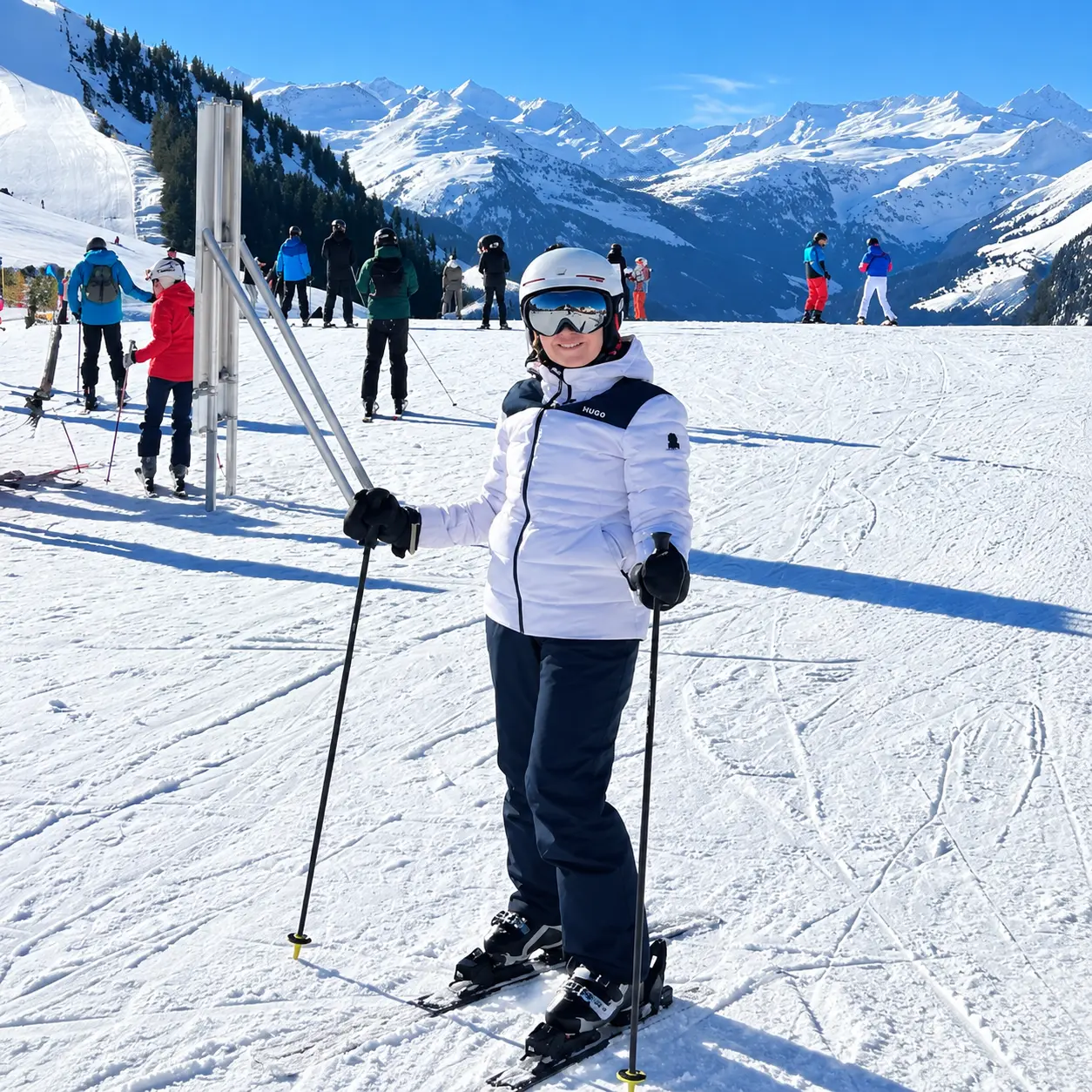
Gemma begins her preparation well before she travels. She builds strength in her body and bones with targeted gym sessions, focusing on her back, hips and knees.
She also ensures her medical team are aware of her trip and carries a letter outlining her medication she travels with.
If you’re travelling after a cancer diagnosis, speak to your healthcare team before your trip, particularly if you’re planning to take part in winter sports. Everyone’s experience of cancer and its treatment is different, so taking time to plan around your individual needs can help you feel more comfortable and confident while away.
Make sure you have enough medication for your trip, including extras in case of delays or cancellations, and check whether any medication has specific storage requirements.
One of Gemma’s biggest recommendations is to listen to your body when skiing.
If she feels fatigued, she stops to give herself the break her body needs rather than pushing through. Taking regular breaks to hydrate, eat and refuel also helps, and Gemma makes sure she eats plenty of carbohydrates and protein to help maintain her energy.
Due to the altitude, it can be easy to become dehydrated, so remember to drink non-alcoholic fluids regularly throughout the day.
If you’re new to skiing or returning after a long break, consider taking a lesson to build your confidence and help you feel more comfortable on the slopes. Remember to enjoy your holiday at a pace that feels right for you.
Winter weather can be unpredictable, especially in mountainous areas, so checking the forecast and local conditions before heading out is important.
Layering up is essential when skiing. Gemma packs plenty of thin layers, alongside a woolly hat and snood to ensure she stays warm.
She also uses SPF 50+ on her face and lips to protect her skin from the sun. Using SPF is important even when the weather is cold or cloudy, as UV exposure can be more intense at higher altitudes and snow can reflect UV rays.
For more advice on protecting your skin while travelling, see our Staying Safe in the Sun guide.
Having good-quality equipment matters, particularly when managing a health condition.
Gemma always makes sure her ski boots and skis fit properly and are professionally checked. She also wears gloves and invests in good-quality goggles, as her eyes are more sensitive to sunlight and prone to dryness due to her medication.
Before heading out, make sure your equipment fits correctly and is in good condition. Wear suitable safety equipment for your chosen activity, including a properly fitted helmet when skiing or snowboarding.
It’s also important to follow piste markings, signs and instructions from the resort. Weather and ground conditions can change quickly, so always check local advice and be prepared to adjust your plans if necessary.
Making sure she has suitable travel insurance is another important part of Gemma’s preparation.
Winter sports activities can carry different risks from a typical holiday, so it’s important to check what your travel insurance covers before travelling.
Winter sports cover can provide protection for things such as medical emergencies, mountain rescue and ski equipment, depending on the policy.
If you have a pre-existing medical condition, you should declare it when arranging your travel insurance and complete any required medical screening.
Always check your policy wording carefully to understand what is and isn’t covered, including any conditions or exclusions that may apply to your activities.
Above all, Gemma is grateful that she can still go skiing. Slowing down has given her a new appreciation for the scenery, fresh mountain air and memories she continues to create with her family.
Her experience is a reminder that a winter sports holiday does not have to be about how many runs you complete or how much you fit into one day.
Whether you are spending time on the slopes, enjoying the snow scenery or making memories with loved ones, taking things at your own pace can help you make the most of your winter getaway.
At Insurancewith, our winter sports policy includes:
Planning your next winter holiday? Make sure you have a travel insurance policy suited for you. Find out more about our winter sports cover and get a quote today.
